Oct 28 2026
Standing Strong: How Renee Found Relief
Summary
After years of debilitating back pain, Renee Hudson found relief through new technology at our Neuroscience Institute. Now, she’s getting back to the life she loves.
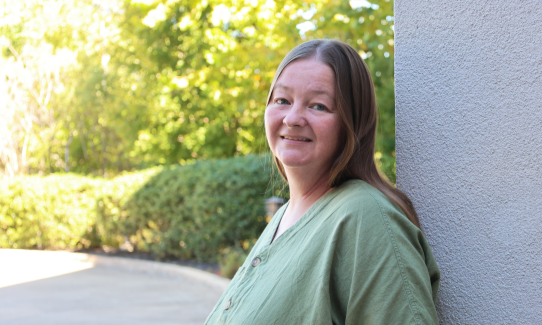
Renee Hudson rolled into the hospital in a wheelchair but walked out with hope she thought she had lost.
For years, worsening back pain slowly took away the life Renee loved. The 41-year-old mother from Fulton could no longer work, shop for groceries or enjoy simple outings with her 11-year-old daughter, Brooklyn.
“It got to where I couldn’t stand for long at all,” Renee says.
After working in construction for six years, mostly installing flooring, Renee knew the constant bending, lifting and kneeling were taking a toll on her body.
“I realized this wasn’t great for my back,” she says. “I was wearing down my body quickly.”
She left construction and began working in the cafeteria at Brooklyn’s school. Although the job was less physically demanding, Renee still spent much of the day standing and unloading heavy boxes.
When the pain became too severe, she had to leave a job she loved.
“I loved my job and interacting with the kids,” she says. “It really broke my heart to have to give it up.”
Her declining mobility also affected life at home. Brooklyn, who has special needs, worried about her mother.
“It was hard for her to understand why Mom couldn’t do things I had done before,” Renee says.
Years of Worsening Pain
Renee traces her back problems to a seizure she experienced at home in 2018.
“I fell, and the small of my back hit the coffee table hard,” she says. “I started having problems after that. Over the years, it got progressively worse.”
Doctors diagnosed Renee with bulging disks in her spine. She tried pain injections and several rounds of physical therapy, but nothing brought lasting relief.
Then, in March, two of the disks herniated (sometimes called “slipped” or “ruptured”).
“I was sitting outside and suddenly felt something pop, and I went down,” she says. “I had a weird sensation down my legs, and I couldn’t stand.”
For the next several months, Renee relied on a wheelchair.
“I was lucky if I could walk 20 feet without having to stop,” she says. “I could only be on my feet for about 10 minutes at the most, and then it was unbearable.”
A Different Kind of Treatment
Renee was referred to neurosurgeon Dr. Jason Stacy at North Mississippi Medical Center’s Neuroscience Institute. She expected to need back surgery with plates and screws. Although she dreaded the possibilty, she was willing to try anything that might end the pain.
Instead, Dr. Stacy recommended Inceptiv™, a new spinal cord stimulator designed to provide relief from chronic pain.
“A spinal cord stimulator delivers controlled electrical impulses that disrupt pain signals before they reach the brain,” Dr. Stacy explains. “These devices can target specific pain points. We typically recommend them when other treatments, such as medications, injections or physical therapy, haven’t provided enough relief.”
Doctors at NMMC have implanted spinal cord stimulators for years, but Inceptiv is different. “Inceptiv uses closed-loop, neural-sensing technology,” he says. “This allows it to automatically adjust as a person moves or changes positions, helping provide more consistent pain relief.”
Renee was skeptical.
“I had done a little research, and I had my doubts,” she says. “I just didn’t see how this was going to help what I have.”
Before receiving the permanent implant, she completed a five-day trial. By the end of the trial, her doubts were gone.
“I was blown away,” she says. “It helped so much.”
“I Walked Out”
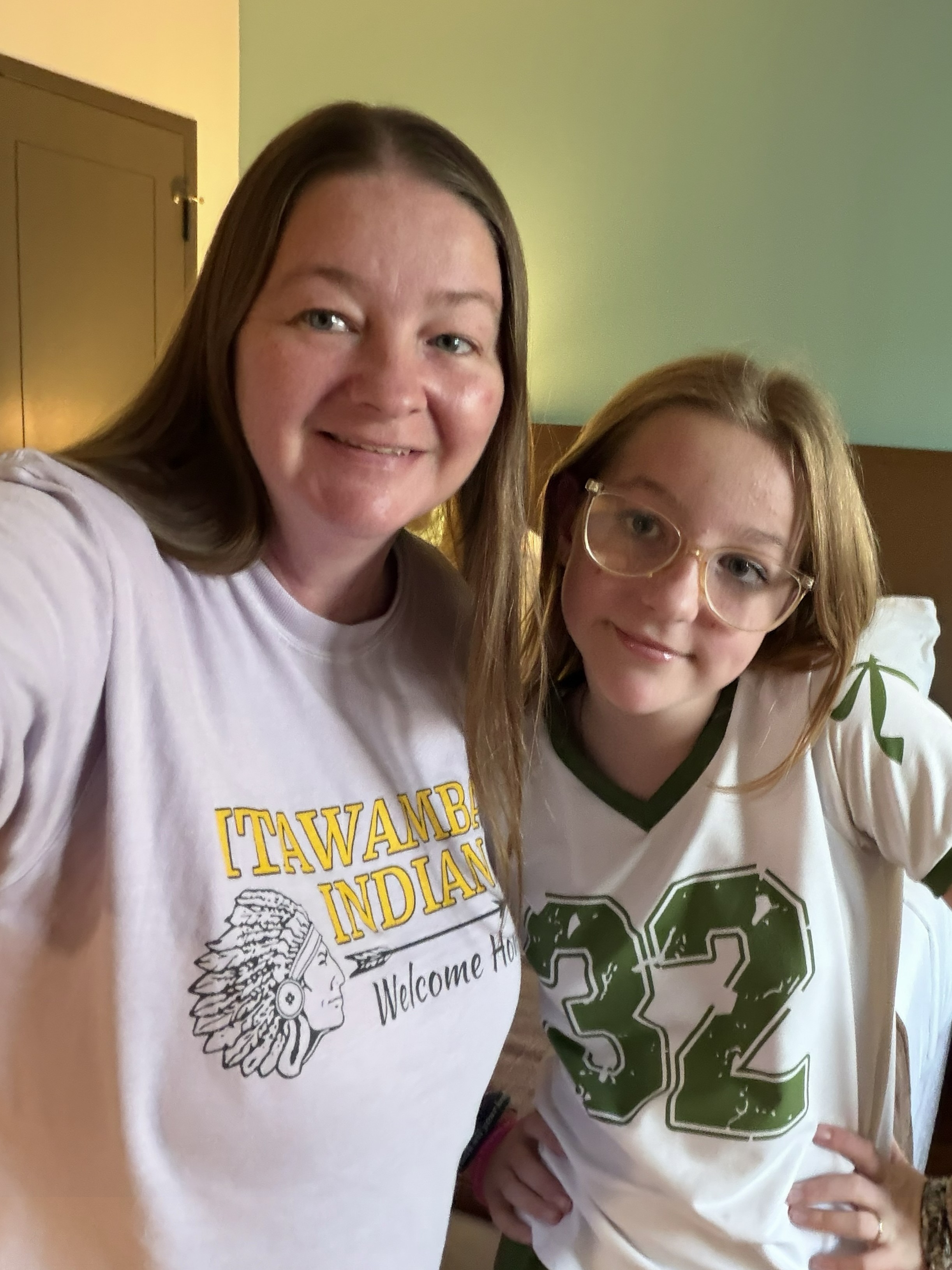
Renee received the permanent implant at NMMC-Tupelo on July 7 and returned home the same day. She noticed a difference immediately.
“I rolled into the hospital in a wheelchair, but I walked out,” she says.
Before the procedure, even sitting or lying down brought little relief. Sleep was difficult and often interrupted by pain.
“The first night after having it done, I slept 14 hours straight,” she says. “I literally woke up and felt like a whole new person.”
The next day, Renee attended a family funeral. During visitation, her brother asked whether she needed to sit down. That was when Renee realized she had been walking and standing for two hours.
“It was a game changer for me,” she says.
Getting Her Life Back
Everyday activities that once felt impossible are now within Renee’s reach.
“I’m doing great,” she says. “I can stand much longer, which is a blessing. I can actually go to the grocery store now and walk through the whole store.”
More importantly, Renee is able to be active with Brooklyn again—playing outside or walking the nearby nature trails.
For Renee, the new technology has provided more than pain relief. It has given her the freedom to be present for her daughter.
“It has literally changed my life for the better,” she says.

MyChart
Schedule your next appointment, start an E-visit, communicate with your doctor, request prescription refills and access your test results — just a click away with MyChart (sometimes called myConnection).
Related Links
Topics
- Patient Stories