
Oct 27 2026
Understanding Your Cancer Game Plan Starts With Asking Questions
Summary
What should you ask after a cancer diagnosis? Learn how to understand your treatment plan, when to seek a second opinion and where to find trusted information.
Hearing the words “you have cancer” can feel overwhelming.
In the days and weeks that follow, many patients find themselves trying to process a flood of information while making important decisions about their care. One of the most important things patients can do is take the time to understand their diagnosis and treatment plan.
Education is the key.
Understanding Your Diagnosis Matters
One of the first goals of an oncology consultation is helping patients understand exactly what type of cancer they have and what that diagnosis means. While many patients immediately focus on cancer stage, it's equally important to understand the recommended treatment approach and the reasoning behind it.
During an initial consultation, I review test results, biopsy findings and any additional information available so patients can gain a clear picture of their condition. If more testing is needed, I explain why those tests are important and how they may impact treatment decisions.
Patients often come with understandable concerns and questions. For example, those diagnosed with advanced or metastatic cancer may wonder whether surgery can remove the cancer. In many cases, surgery is not the best option, and understanding the medical reasoning behind treatment recommendations can help patients feel more informed and confident about their care.
The more patients understand about what's happening, the better equipped they are to participate in decisions about their treatment.
When Should You Consider a Second Opinion?
Many cancer treatments follow well-established national guidelines developed by organizations such as the National Comprehensive Cancer Network (NCCN) and the American Society of Clinical Oncology (ASCO). These evidence-based guidelines help ensure patients receive the standard of care regardless of where they are treated.
However, some situations can benefit from a second opinion.
Complex cases, rare cancers or situations where treatment options have limited data may warrant another expert review. A second opinion can provide additional reassurance, confirm a treatment plan or introduce alternatives that may be worth considering.
That said, timing is important.
Some cancers are aggressive, while others are at an early stage when prompt treatment offers the best chance for cure. In those situations, delaying treatment solely to seek another opinion may not be advisable.
Generally, we recommend getting a second opinion before a major treatment or surgery if possible. But sometimes treatment simply can't wait.
Patients who begin treatment can still seek a second opinion afterward if questions remain.
Be Careful Where You Get Information
When searching for answers, it's natural to turn to the internet. But I encourage patients to be cautious about relying on general online searches.
A simple Google search can produce thousands of results, some accurate and some outdated, incomplete or misleading. Much of the information available online may not apply to a patient's specific diagnosis, stage or treatment plan.
Instead, I recommend asking your oncology team for trusted educational resources tailored to your situation. Physicians can provide reputable information, research findings and patient education materials that are relevant to your individual diagnosis.
Most importantly, don't be afraid to ask questions.
Whether it takes one conversation or several visits, I encourage patients to keep asking until they feel comfortable and informed.
There should never be a rush when it comes to understanding your diagnosis and treatment. We want patients to feel empowered, educated and confident as they move forward with their care.
A cancer diagnosis can be life-changing, but you don't have to navigate it alone. Your care team is there to help you understand every step of the journey.
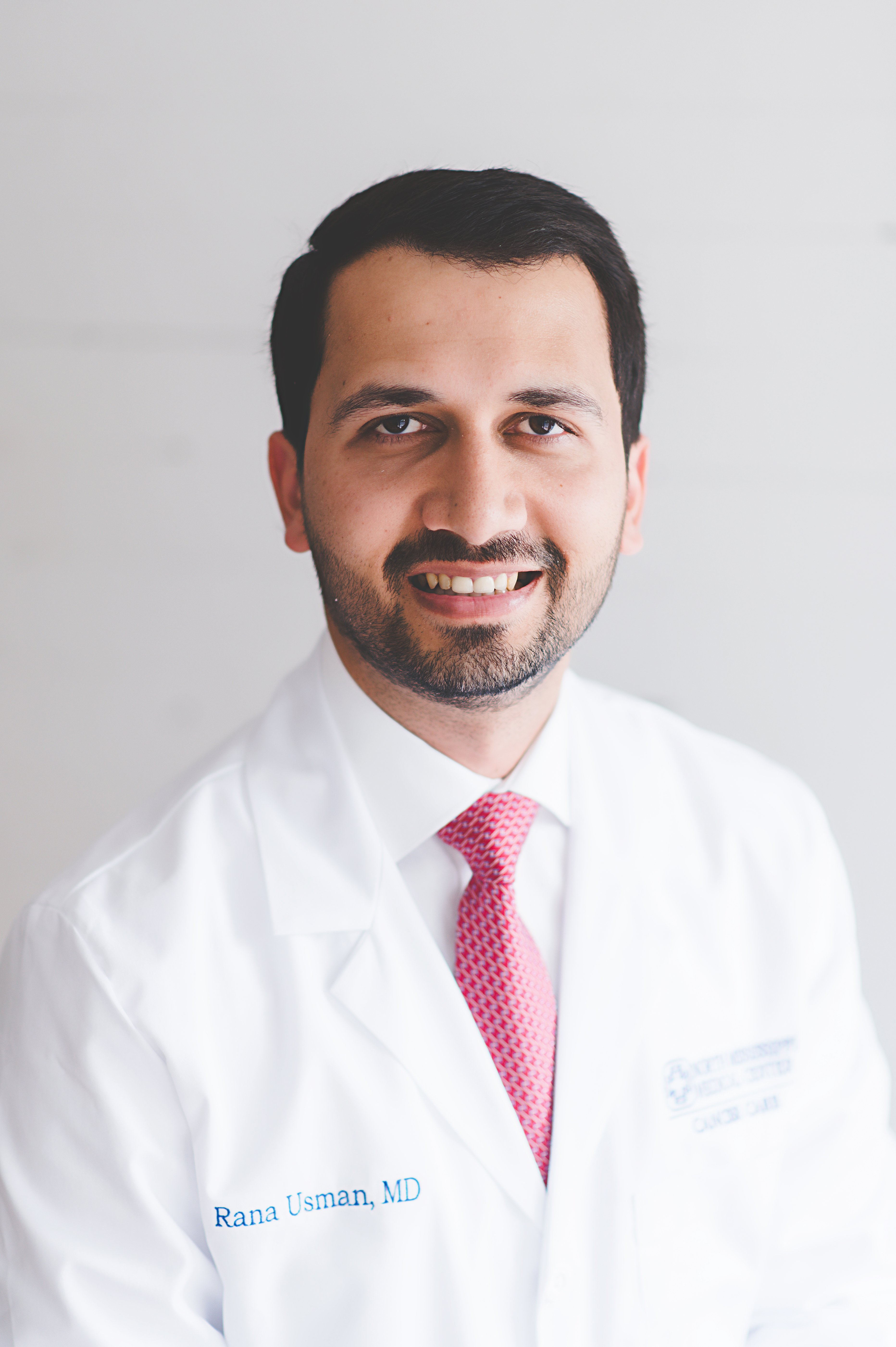
Rana Usman, MD
Dr. Rana Usman brings a passion for science and a deep commitment to helping others to North Mississippi Medical Center Hematology Oncology in Tupelo. He joined the North Mississippi Health Services Cancer Care team in 2024.
Dr. Usman completed his residency and fellowship at the University of Tennessee Health Science Center in Memphis. During his training, he participated in cancer research with UT Health Science Center, VA Medical Center in Memphis and Cleveland Clinic. He has a special interest in epidemiological studies.

MyChart
Schedule your next appointment, start an E-visit, communicate with your doctor, request prescription refills and access your test results — just a click away with MyChart (sometimes called myConnection).
Related Links
Topics
- Managing Your Health
Share
NMMC Cancer Care connects our patients with a multidisciplinary team to help navigate through diagnosis, treatment and follow-up care.


Subscribe to Our Newsletter
Like this content and want to get more? Sign up for True North, the health and wellness newsletter from North Mississippi Health Services!
Subscribe to Our Newsletter
Like this content and want to get more? Sign up for True North, the health and wellness newsletter from North Mississippi Health Services!
Nurse Link®
Not sure if you need Urgent Care or the ER? Call 1-800-882-6274 anytime to speak directly to a registered nurse and get immediate answers. Using computerized medical protocols, nurses direct callers to the most appropriate treatment. Our nurses are available 24 hours per day, seven days per week.