Nov 17 2026
All About A-Fib
Summary
Atrial fibrillation, commonly called A-fib, is an irregular heart rhythm that originates in the atria or top chambers of the heart and increases risk of stroke.
Atrial fibrillation, or A-fib, is an irregular heartbeat. The heart's two upper chambers quiver instead of beating in step with the lower chambers.
Your risk goes up with age. A-fib is the most common heart rhythm problem, and it affects more women than men, largely because women tend to live longer.
People with A-fib are five times more likely to have a stroke, but treatment can lower that risk.
Symptoms
- Heart palpitations, irregular heartbeat, fluttering or skipped beats
- Shortness of breath both at rest and with activities
- Dizziness
- Fatigue
- Weakness
- Chest discomfort
Some individuals will have no symptoms with atrial fibrillation and it is found during a routine checkup.
Causes
Atrial fibrillation may be caused by various health or environmental issues, including:
- Heart and blood pressure conditions: High blood pressure, heart failure, cardiomyopathy (disease of the heart muscle), coronary artery disease, heart valve disease, previous heart surgery and heart defects present from birth (congenital)
- Lung conditions: Chronic lung disease such as COPD, asthma and emphysema, and pulmonary embolism (blood clot in the lungs)
- Other medical conditions: Thyroid problems
- Lifestyle triggers: Excessive caffeine, excessive alcohol (including binge drinking) and stress
Treatments
Various treatments help with the symptoms of atrial fibrillation:
- Medications to keep your heart in rhythm
- Cardioversion: a controlled shock that resets your heartbeat
- Ablation: a procedure that targets the source of the irregular signals
- Maze procedure to create scar tissue in the upper chambers of the heart
- Permanently implanted devices such as pacemakers or loop recorders
Consequences
Atrial fibrillation increases stroke risk. An individual with atrial fibrillation is five times more likely to have a stroke than someone without it. When the heart does not squeeze properly, it allows blood to pool in the upper chambers of the heart, creating the opportunity for blood to clot. These blood clots can then move out of the heart and travel to the brain, blocking blood supply and causing a stroke.
Atrial fibrillation can also lead to heart failure when heart rates are uncontrolled. This is because the heart is not efficiently pumping blood to the lungs and body.
Preventing Stroke
Oral anticoagulation medications (“blood thinners”) increase the time it takes for blood to clot. While very effective, these medications can have side effects including gastrointestinal bleeding, brain bleeding, frequent falls and excessive bruising. For individuals for whom long-term use of blood thinners is problematic, there is an alternative.
In people with atrial fibrillation, more than 90% of stroke-causing clots come from the left atrial appendage. Devices that seal off this area have been developed. The device is placed in the left atrial appendage, a small area on the upper left chamber of the heart. The U.S. Food and Drug Administration has so far approved two such devices, Watchman (made by Boston Scientific and approved in 2015) and Amulet (made by Abbott and approved in 2021). Other devices are now in research trials.
If you've noticed a fluttering heartbeat or unexplained fatigue, don't wait. Talk to your primary care provider or schedule a heart screening.
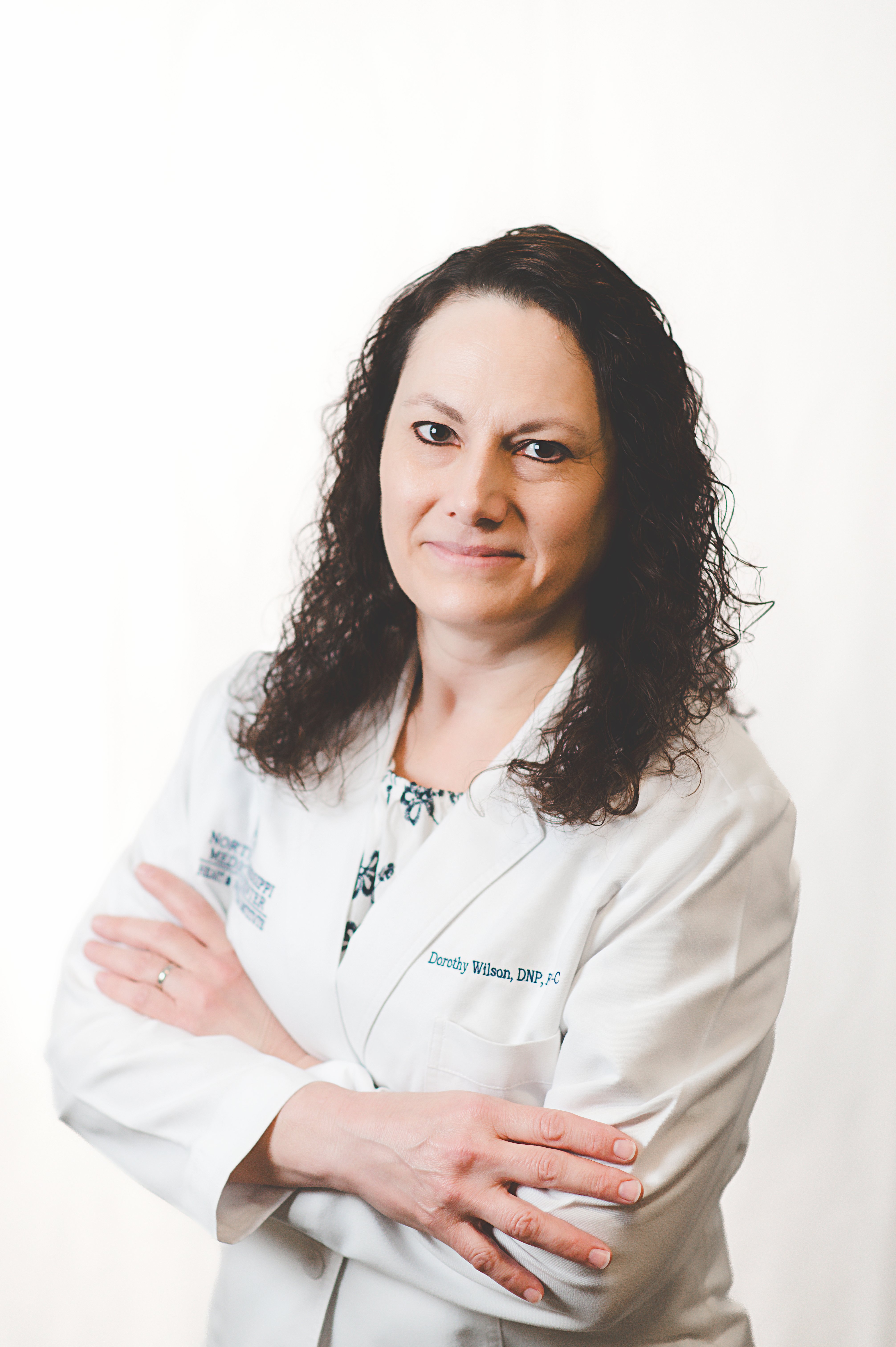
Dorothy Wilson, DNP, FNP-C
Dorothy Wilson, DNP, FNP-C, is a nurse practitioner with North Mississippi Medical Center's Heart and Vascular Institute. Dorothy served five years of active duty with the U.S. Army. She earned bachelor’s and master’s degrees in information technology from Strayer University before becoming a nurse. She earned her associate degree in nursing from Itawamba Community College and her bachelor’s degree in nursing from Mississippi University for Women. She earned her master’s and doctoral degrees in nursing from the University of South Alabama in Mobile. Dorothy joined the NMMC staff in 2012.

MyChart
Schedule your next appointment, start an E-visit, communicate with your doctor, request prescription refills and access your test results — just a click away with MyChart (sometimes called myConnection).
Related Links
Topics
- Managing Your Health
Share
If you're over 35, schedule a heart screening to identify your risk of heart disease. Request an appointment online or call 1-800-THE DESK (1-800-843-3375).


Subscribe to Our Newsletter
Like this content and want to get more? Sign up for True North, the health and wellness newsletter from North Mississippi Health Services!
Subscribe to Our Newsletter
Like this content and want to get more? Sign up for True North, the health and wellness newsletter from North Mississippi Health Services!
Nurse Link®
Not sure if you need Urgent Care or the ER? Call 1-800-882-6274 anytime to speak directly to a registered nurse and get immediate answers. Using computerized medical protocols, nurses direct callers to the most appropriate treatment. Our nurses are available 24 hours per day, seven days per week.