
Oct 26 2026
Protecting Your Heart May Help Protect Your Memory
Summary
Emerging research shows that healthy blood pressure and cholesterol levels may help reduce dementia risk. Learn how heart health and brain health are connected.
When most people think about dementia, they think about memory loss. When they think about heart disease, they think about blood pressure, cholesterol or heart attacks. What many people don't realize is that these conditions are closely connected.
Researchers continue to learn more about the relationship between heart health and brain health, and the findings are encouraging: taking care of your heart today may help protect your memory and cognitive function in the future.
The Blood Pressure Connection
High blood pressure is often called a “silent killer” because it usually doesn’t cause symptoms until serious damage has occurred. Over time, elevated blood pressure can strain blood vessels throughout the body, including those that supply the brain.
Recent studies have shown that maintaining a healthy blood pressure, particularly keeping systolic blood pressure below 130 when appropriate for your individual health needs, may help reduce the risk of developing dementia or slow its progression.
Think of your blood vessels as highways delivering oxygen and nutrients to your brain. When blood pressure remains too high for too long, those highways can become damaged, making it more difficult for the brain to receive the resources it needs to function at its best.
The good news? Blood pressure is one of the most manageable risk factors for long-term health.
Regular checkups, physical activity, healthy eating habits, stress management and taking medications as prescribed can all help keep blood pressure under control.
Clearing Up the Confusion About Statins
Another important factor in protecting both heart and brain health is cholesterol management. Unfortunately, there has been a great deal of misinformation surrounding statin medications, which are commonly prescribed to lower cholesterol. Some patients worry that statins may increase the risk of dementia or memory problems.
Current research suggests the opposite may be true.
Studies have shown that managing high cholesterol, including the use of statin medications when appropriate, may help reduce the risk of dementia. By lowering cholesterol levels and improving overall cardiovascular health, statins can help support healthy blood flow to the brain.
If you’ve been prescribed a statin, it’s important to talk with your health care provider before stopping the medication. The benefits often extend beyond heart health and may play a role in supporting long-term brain health as well.
Small Changes Can Make a Big Difference
While there is no guaranteed way to prevent dementia, many of the steps that support a healthy heart also support a healthy brain.
Consider these habits:
- Monitor and control your blood pressure.
- Know your cholesterol numbers.
- Stay physically active.
- Eat a heart-healthy diet rich in fruits, vegetables, whole grains and lean proteins.
- Take medications as prescribed.
- Avoid smoking and limit excessive alcohol use.
- Keep regular appointments with your health care provider.
These lifestyle choices may not only lower your risk of heart disease and stroke but could also help preserve memory and cognitive function as you age.
One Body, One Goal
Heart health and brain health are not separate issues. They’re part of the same picture.
By taking steps to manage blood pressure and cholesterol today, you may be investing in more than just a healthy heart. You may also be helping protect your ability to enjoy life's memories for years to come.
Talk with your primary care provider or cardiologist about your blood pressure and cholesterol goals and what steps you can take to improve your long-term health,
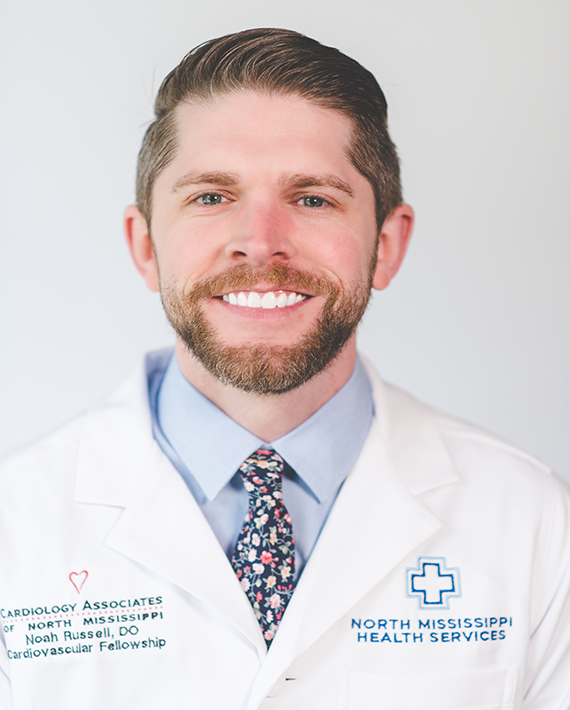
Noah Russell DO

MyChart
Schedule your next appointment, start an E-visit, communicate with your doctor, request prescription refills and access your test results — just a click away with MyChart (sometimes called myConnection).
Related Links
Topics
- Managing Your Health
Share
North Mississippi Neuroscience Institute can help. Call (662) 377-PAIN (7246) for more information or request an appointment online.


Subscribe to Our Newsletter
Like this content and want to get more? Sign up for True North, the health and wellness newsletter from North Mississippi Health Services!
Subscribe to Our Newsletter
Like this content and want to get more? Sign up for True North, the health and wellness newsletter from North Mississippi Health Services!

Nurse Link®
Not sure if you need Urgent Care or the ER? Call 1-800-882-6274 anytime to speak directly to a registered nurse and get immediate answers. Using computerized medical protocols, nurses direct callers to the most appropriate treatment. Our nurses are available 24 hours per day, seven days per week.