Sep 23 2026
Beyond the Diagnosis: Whole-Person Care During Cancer
Summary
Whole-person cancer care supports patients and families with emotional, practical and social needs throughout treatment, survivorship and serious illness.
Whole Person Perspective
A person’s well-being cannot be understood apart from family, relationships, community, culture, finances, employment, living environment, spirituality, and other circumstances. Incorporating that perspective is one of the guiding principles of health care social work.
As an oncology social worker, this is at the heart of whole-person cancer care. It means looking at what is happening around a person, not just what is happening inside the body.
In social work, we are trained to look at the whole picture. We ask what is happening in a person’s life that may affect their health, their choices and their ability to follow a care plan. This includes practical needs, emotional concerns, family support and personal strengths.
Social workers sometimes call this a “person-in-environment” perspective. In everyday terms, it means we look at the whole person and the life surrounding them.
Consider a patient receiving chemotherapy who repeatedly misses appointments. It might be easy to see the missed appointments as the problem.
A person-centered approach asks a different question: What is happening in this person’s life that is making treatment difficult?
Perhaps transportation is unreliable. Maybe the patient cannot afford to miss another day of work. Perhaps they are caring for an elderly parent, experiencing financial hardship, struggling emotionally or simply afraid.
Real Life Needs
National cancer care organizations recognize that real-life needs can affect a person’s ability to get care. That is why emotional and practical support belong alongside medical care.
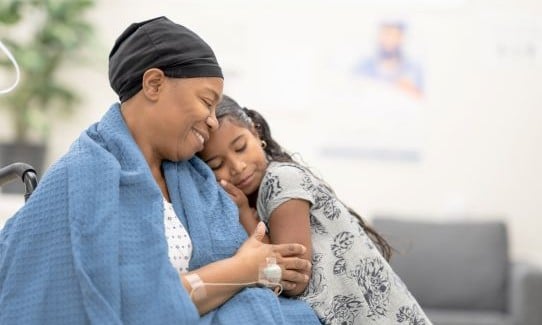
Oncology social workers help you and your family with the everyday challenges that can come with cancer, including:
- Talking through fears, stress and difficult emotions
- Connecting you with support groups
- Helping caregivers understand what support may be needed
- Looking for transportation, financial assistance or community resources
- Helping you communicate needs and questions
- Guiding you through parts of the care process
- Sharing education in a way that is easier to understand
- Referring families to trusted community organizations
This support can continue from diagnosis through treatment and survivorship. It can also include support during serious illness, care focused on comfort and grief support for families when needed.
Oncology social workers are part of the cancer care team. We help address the emotional, social, practical, cultural, spiritual and daily-life concerns that can affect a your cancer experience.
Your Voice Matters
Most importantly, person-centered care gives your voice a place in the treatment plan. Sometimes our most important questions are also our simplest: What matters most to you? What are you worried about today? Who or what gives you strength? What is making this journey harder? How can we help?
Cancer may become part of your story, but it should never become your entire identity. Whole-person cancer care means seeing the diagnosis while never losing sight of the person.
Olevia Billips, PhD, LMSW
Olevia Billips is an oncology social worker with North Mississippi Health Services Cancer Care in Starkville. She provides emotional support, advocacy, practical resources, support group services and guidance throughout the cancer journey. Her approach emphasizes person-centered care and the emotional, social, practical, spiritual and environmental factors that influence each patient’s experience.

MyChart (also known as myConnection)
Schedule your next appointment, start an E-visit, communicate with your doctor, request prescription refills and access your test results — just a click away.
Related Links
Topics
- Managing Your Health
Share


Subscribe to Our Newsletter
Like this content and want to get more? Sign up for True North, the health and wellness newsletter from North Mississippi Health Services!
Subscribe to Our Newsletter
Like this content and want to get more? Sign up for True North, the health and wellness newsletter from North Mississippi Health Services!
Nurse Link®
Not sure if you need Urgent Care or the ER? Call 1-800-882-6274 anytime to speak directly to a registered nurse and get immediate answers. Using computerized medical protocols, nurses direct callers to the most appropriate treatment. Our nurses are available 24 hours per day, seven days per week.