
Summary
Nicotine doesn’t just affect your lungs. It restricts blood flow your body depends on to heal. Discover how nicotine slows recovery after surgery and why quitting can make a powerful difference.
After surgery, your body starts fixing damaged tissue right away, and good blood flow helps this healing happen faster.
While many people think smoking only affects your lungs, it actually harms the body in many ways, making it much harder for your body to heal.
Nicotine is found in cigarettes, cigars, pipes, vapes, e-cigarettes, chewing tobacco, snuff, patches and dip. No matter how nicotine enters your body, it causes problems.

The First Step Toward a Healthier Tomorrow
Quitting tobacco or nicotine is possible and you have what it takes. Get our free toolkit filled with easy-to-follow guidance and tools that help you take control of your health — one confident step at a time.
The First Step Toward a Healthier Tomorrow
Quitting tobacco or nicotine is possible and you have what it takes. Get our free toolkit filled with easy-to-follow guidance and tools that help you take control of your health — one confident step at a time.
How Nicotine Hurts Blood Flow
More significantly, nicotine impacts the blood flow in your body. Blood flow is important because it carries oxygen and nutrients to your entire body, which allows it to constantly heal itself. Simply put, without good blood flow, your body won’t be able to repair itself after surgery.
Blood flows through the body in small vessels called capillaries, and within those vessels are oxygen and nutrients needed for your skin, muscles, bones and organs. Nicotine causes those blood vessels to shrink smaller and tighter. This makes it harder, and sometimes impossible, for blood to reach different parts of your body, which slows or stops the healing process and increases your risk of developing an infection.
This looks different in every patient. For some, the effects of smoking cause pain, numbness, skin problems or even the need for more surgery. For others, restricted blood flow means that cuts, scrapes and surgical wounds heal more slowly.
In patients with diabetes, it is especially dangerous because wounds may not heal at all.
For example, in a patient who smokes and has spinal fusion surgery (a procedure to permanently connect two or more vertebrae to provide stability in the back), nicotine can block blood flow and stop the bones from growing together.
Kick Nicotine to Kick Start Your Healing
If you can quit using tobacco at least six weeks before surgery, your body will have time to improve blood flow to support healing. As soon as you stop using nicotine, your blood vessels slowly start opening back up. As more oxygen reaches your body, your wounds heal faster and your risk of infection goes down.
How Nicotine Slows Healing
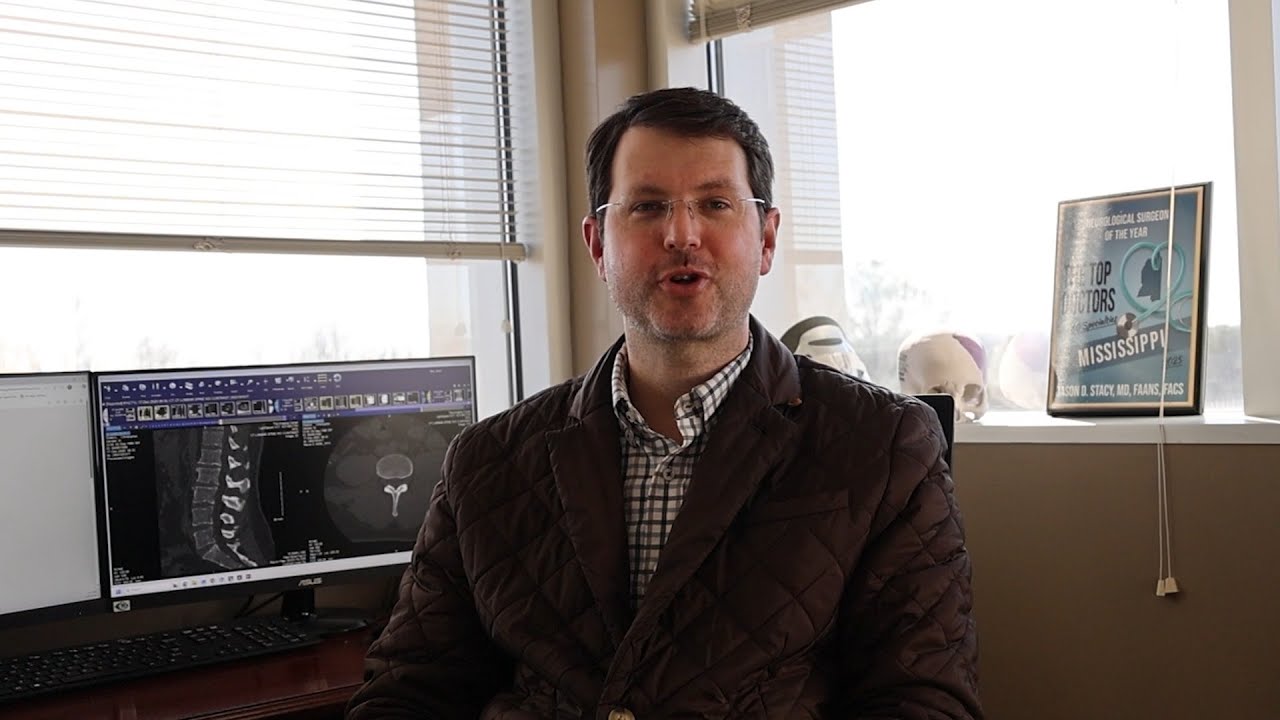

Jason Stacy, MD
Dr. Jason Stacy is a neurosurgeon with North Mississippi Neurosurgical Services in Tupelo. He earned his medical degree from George Washington University School of Medicine in Washington, D.C., in 2009. He completed a neurosurgery residency and endovascular neurosurgery fellowship (2014) at the University of Mississippi Medical Center in Jackson, where he served as chief resident. Dr. Stacy is a Fellow of the American Association of Neurological Surgeons and the American College of Surgeons.

MyChart (also known as myConnection)
Schedule your next appointment, start an E-visit, communicate with your doctor, request prescription refills and access your test results — just a click away.
Related Links
Topics
- Managing Your Health
- Smoking Cessation