
Summary
Smoking doesn’t just harm your lungs—it quietly sparks widespread inflammation that accelerates heart disease, complicates surgery and puts your entire body at risk.
Everyone knows smoking damages your lungs. What you may not realize is the long-term impact of smoking on your heart and how it can complicate surgery.
For many individuals, the damage caused by smoking is silent and asymptomatic until it progresses into a much larger problem.
Smoking Adds Fuel to the Fire
As a cardiologist, I often educate patients about inflammation — a process that frequently precedes plaque formation and cardiovascular disease.
For patients who are undergoing surgery, especially those with pre-existing heart conditions, smoking and the inflammation that follows are truly like pouring fuel on a fire.
If you already have high cholesterol, high blood pressure or a genetic predisposition to heart disease, your body is already at increased risk for developing blockages.
This creates the foundation of the fire. When smoking is added to that foundation, it is essentially like pouring gasoline on it — accelerating plaque formation and increasing the likelihood that arteries will become blocked.
Blockages can lead to serious complications, including heart attacks, strokes and reduced blood flow to vital organs.
Why Smoking Raises the Stakes of Surgery
Inflammation caused by smoking is also a major reason why smokers often fare worse after surgery. For procedures that require anesthesia, inflammation and plaque buildup can slow the process of coming off a ventilator. For longer surgeries in particular, inflammation in and around the lungs makes it more difficult for patients to breathe independently after surgery. This can prolong recovery time, extend hospital stays and increase the risk of infection.
When a patient is facing surgery, I strongly encourage him or her to stop smoking. While the initial nicotine cravings can be challenging, quitting smoking is one of the most important steps you can take to support healing.
Many patients report feeling better after they quit, experiencing increased energy levels and fewer joint-related issues.
It’s also important to focus on healthy nutrition when you quit smoking, as some people gain weight during this transition. Because inflammation can affect how efficiently your body burns calories, making mindful dietary choices is important.
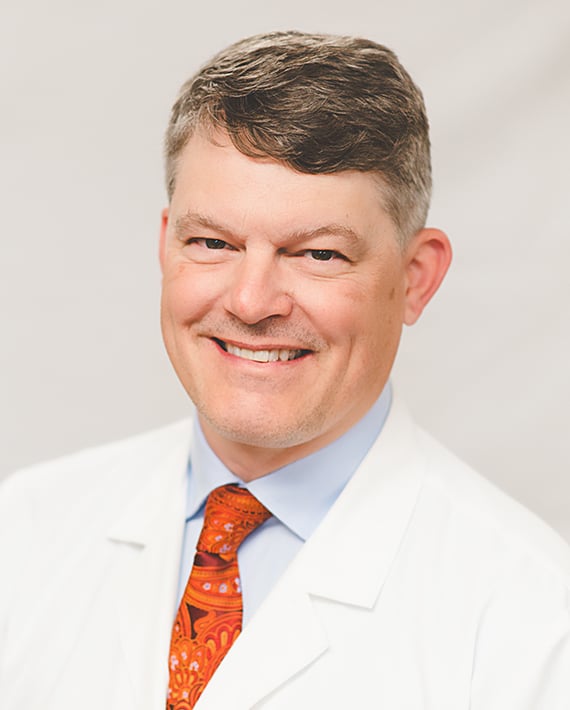
Benjamin Blossom MD
Dr. Benjamin Blossom is an interventional cardiologist with Cardiology Associates of North Mississippi and on the medical staff of North Mississippi Medical Center’s Heart and Vascular Institute. He earned his medical degree from the University of Mississippi School of Medicine in Jackson. He completed residency training, a cardiology fellowship and an interventional cardiology fellowship, all at UMMC.

MyChart (also known as myConnection)
Schedule your next appointment, start an E-visit, communicate with your doctor, request prescription refills and access your test results — just a click away.
Related Links
Topics
- Managing Your Health
- Smoking Cessation