
Summary
Curious why your heart sometimes flutters, races or skips a beat? Discover what causes heart palpitations, when to worry and how simple lifestyle changes can help.
If you have ever felt your heart flutter, race or skip a beat, it can be scary.
Palpitations are when you are aware of your own heart beating. You may sense it while running up stairs or when lying in bed at night. If you have a smartwatch, it may alert you to an abnormal heart rhythm.
Palpitations happen in people of all ages and are more common in women. While palpitations can be scary, most are harmless and temporary.
Why Does My Heart Do That?
Several factors can trigger heart palpitations:
- Stress & Anxiety: Stress releases hormones that speed up your heartbeat. You may have palpitations in an emotionally charged situation or conversation. Panic attacks can feel like your heart is racing out of control.
- Caffeine and Stimulants: Coffee, tea, and energy drinks can make your heart beat faster.
- Exercise: Physical activity naturally increases your heart rate, sometimes leading to palpitations.
- Hormone Changes: Menstruation, pregnancy and menopause can all affect heart rhythm.
- Dehydration & Fever: When your body is low on fluids or fighting an illness, your heart may work harder, causing palpitations.
- Certain Medications & Supplements: Some prescription drugs, over-the-counter remedies and herbal supplements can trigger palpitations.
- Underlying Medical Conditions: Occasionally, palpitations signal a more serious issue, such as an irregular heartbeat (arrhythmia), thyroid problems or anemia. For example, atrial fibrillation (AFib) causes the heart to beat more rapidly and in an irregular rhythm.
What Does It Feel Like?
Palpitations can feel different for everyone. You might notice that your heart is beating faster or harder than normal. You might sense a fluttering, pounding or flip-flopping sensation. Or it might feel like your heart skipped a beat or took an extra or irregular beat.
Palpitations may last only a few seconds or continue for several minutes. Some people experience them all day, while others notice them only at night or during moments of stress.
You can feel heart palpitations in your chest, as well as in your neck or throat.
Should I Be Worried?
If you’re having palpitations with no other symptoms, it’s not the biggest red flag.
But if you’re having dizziness or lightheadedness—feeling like you’re about to faint—it is more concerning because what you’re feeling is probably affecting blood flow in your body.
Or if you’re having palpitations accompanied by chest pain or breathing difficulty, that usually implies that it’s something abnormal.
These symptoms could indicate a more serious heart rhythm problem that needs evaluation.
What Next?
It's common for us to do blood testing for thyroid function. If you have a high functioning thyroid gland (hyperthyroidism), it can make your heart rate and blood pressure higher than normal. Usually, treating the thyroid condition will also correct the heart rate.
We use an electrocardiogram (ECG/EKG) to check your heart’s electrical activity. Unfortunately, an EKG only measures your heart’s activity during 10 seconds of time, so if you’re not having palpitations during that time, it might not catch the problem.
We can get a more accurate diagnosis by monitoring your heart while you’re having palpitations. In other words, you feel your heart skipping and we can monitor what your heart is doing at that time.
Based on how frequently you have been experiencing heart palpitations, we might have you wear a heart monitor for 24-48 hours or two to four weeks to be sure we can capture an episode.
Other tests, like an echocardiogram and ultrasound, might also be needed.
Depending on your diagnosis, we may prescribe medications to slow your heart rate. If medication doesn’t fix the issue, we may perform catheter ablation, a minimally invasive procedure that creates scars to stop the electrical impulses that cause irregular heart rhythms.
Listen to Your Heart, But Don’t Panic
Heart palpitations are one of the most common reasons people visit their doctor. Usually, you can control them by cutting back on caffeine, exercising and managing stress.
Most palpitations are harmless and don’t require medical attention. But pay attention to your body and talk to your doctor if you’re concerned.
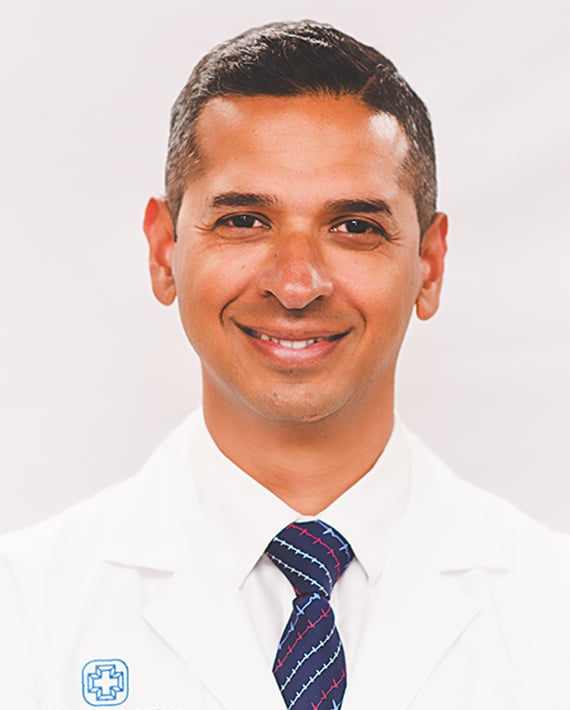
Karthik Prasad, MD
Dr. Karthik Prasad is a cardiac electrophysiologist at North Mississippi Health Services and has been in practice since 2017. He specializes in diagnosis and treatment of heart rhythm disorders. He is board certified in internal medicine, cardiology and cardiac electrophysiology and serves as a faculty member of NMMC's Internal Medicine Residency Program and Cardiology Fellowship.

MyChart (also known as myConnection)
Schedule your next appointment, start an E-visit, communicate with your doctor, request prescription refills and access your test results — just a click away.
Related Links
Topics
- Managing Your Health
Share
If you're over 35, schedule a heart screening to identify your risk of heart disease. Request an appointment online or call 1-800-THE DESK (1-800-843-3375).


Subscribe to Our Newsletter
Like this content and want to get more? Sign up for True North, the health and wellness newsletter from North Mississippi Health Services!
Subscribe to Our Newsletter
Like this content and want to get more? Sign up for True North, the health and wellness newsletter from North Mississippi Health Services!
Nurse Link®
Not sure if you need Urgent Care or the ER? Call 1-800-882-6274 anytime to speak directly to a registered nurse and get immediate answers. Using computerized medical protocols, nurses direct callers to the most appropriate treatment. Our nurses are available 24 hours per day, seven days per week.