
Summary
Dr. Kimberly Sullivan encourages expectant parents to plan ahead by choosing a trusted care team and a delivery hospital with the resources needed to support both routine and high-risk pregnancies, ensuring the best possible care for mother and baby.
Pregnancy is one of life’s most exciting journeys. It can also bring questions, difficult decisions and unexpected turns.
As a maternal fetal medicine specialist, I care for women with high-risk pregnancies across north Mississippi and northwest Alabama.
I have learned that while families often think carefully about when to begin prenatal care, they may spend less time considering where to deliver and what resources will be available if complications arise.
My advice is to start with the end in mind. Consider your delivery preferences, the services you may need and whether you can stay connected throughout your pregnancy and delivery with a doctor you’ve come to trust.
What Does “High Risk” Mean?
“High-risk pregnancy” can sound frightening, but it does not always mean something is wrong. It often means that a mother or baby may benefit from additional monitoring, specialized ultrasounds or expert guidance.
A woman’s OB-GYN may refer her to a maternal fetal medicine specialist for many reasons:
- Being 35 or older
- High blood pressure or diabetes
- Certain chronic medical conditions
- Previous pregnancy complications
- Carrying twins or triplets
The goal is to identify concerns early and help families understand what to expect. Sometimes that means more appointments or testing. Other times, it simply means having a specialist available if questions arise.
Care That Works Together
A trusted care team can make an uncertain situation feel more manageable. Your OB/GYN, maternal fetal medicine specialist, labor and delivery nurses, pediatricians and neonatal providers may all play a part in your care.
When those professionals communicate with one another, they can respond more quickly if additional monitoring, a specialist consultation or a higher level of care is needed. Receiving that care close to home can also ease the strain of frequent appointments, travel, work and family responsibilities.
When Your Baby Needs Extra Support
Every parent hopes for a smooth delivery and a healthy newborn, but some babies need additional care after birth.
Sometimes we know before delivery that a baby may need the Neonatal Intensive Care Unit, especially when an early birth is expected. In other cases, a baby may simply need extra time or support adjusting to life outside the womb.
This experience can be emotional for parents. When they cannot be at the bedside, a secure camera system called AngelEye allows them to see their baby remotely. Although it cannot replace being together, it can offer connection and reassurance during a difficult time.
Find a Provider You Trust
One of the most important choices you can make is finding an OB/GYN you trust. Pregnancy brings many questions, and no concern is too small to discuss with your care team.
Online information can be helpful, but it can also become overwhelming. A provider who knows your health history can help you sort through that information and understand what applies to you and your baby.
If I could leave expecting parents with one piece of advice, it would be this: Think ahead, ask questions and choose a care team that makes you feel heard. Whether your pregnancy is low risk or requires specialized care, you do not have to navigate it alone.
Helping families through one of the most meaningful moments of their lives is a privilege. Seeing parents hold their babies for the first time is a reminder of why this work matters so much. And that's what makes caring for mothers and babies such a rewarding part of my life.
Planning for a baby? We are hosting two free events this fall just for you!
North Mississippi Medical Center Women’s Hospital is hosting Baby Fair on Saturday, Oct. 10. NMMC Gilmore-Amory is hosting Baby Fair on Saturday, Nov. 14.
Both events offer opportunities to meet our team and learn more about childbirth, newborn care, breastfeeding, infant safety and more.
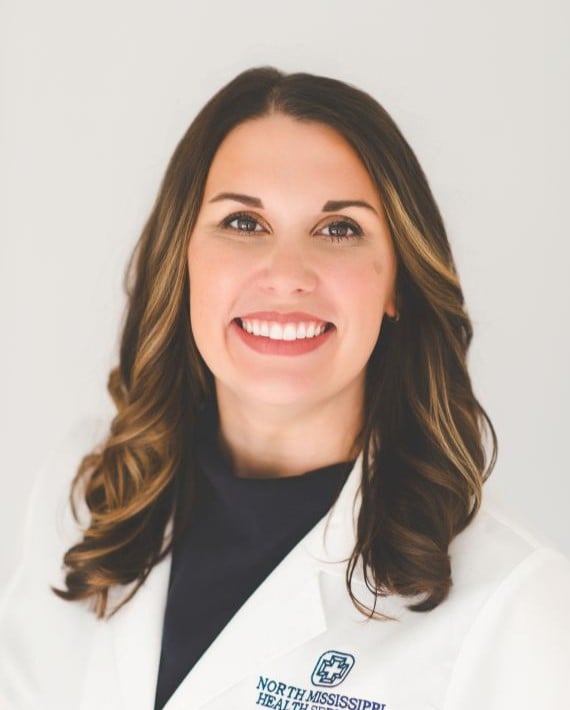
Kimberly Sullivan, MD
Kimberly Sullivan, MD, is a maternal fetal medicine specialist who provides high-risk pregnancy care at North Mississippi Medical Center Women’s Hospital in Tupelo and North Mississippi Medical Center Gilmore-Amory. Dr. Sullivan earned her medical degree in 2017 from the University of Mississippi School of Medicine in Jackson. She completed residency training in obstetrics and gynecology and a fellowship in maternal fetal medicine, both at the University of Mississippi Medical Center. She is board certified by the American Board of Obstetrics and Gynecology.

MyChart (also known as myConnection)
Schedule your next appointment, start an E-visit, communicate with your doctor, request prescription refills and access your test results — just a click away.
Related Links
Topics
- Kids' Health
Share
North Mississippi Medical Center provides expectant mothers and newborns with the finest care during pregnancy and childbirth. Learn more about the range of services available for your growing family.


Subscribe to Our Newsletter
Like this content and want to get more? Sign up for True North, the health and wellness newsletter from North Mississippi Health Services!
Subscribe to Our Newsletter
Like this content and want to get more? Sign up for True North, the health and wellness newsletter from North Mississippi Health Services!
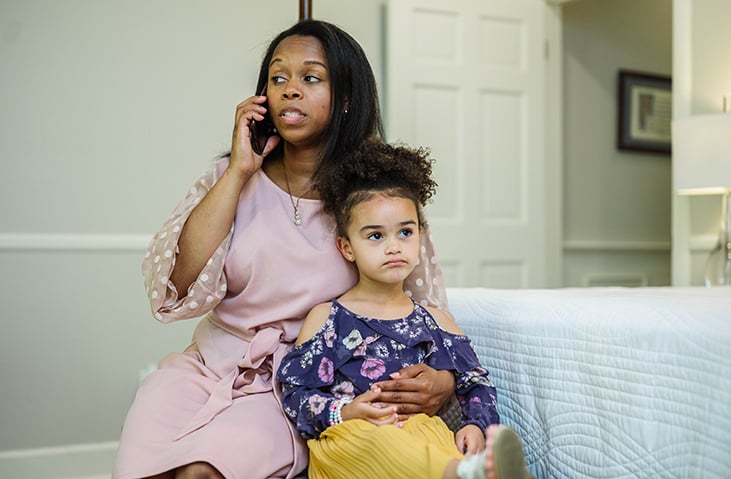
Nurse Link®
Not sure if you need Urgent Care or the ER? Call 1-800-882-6274 anytime to speak directly to a registered nurse and get immediate answers. Using computerized medical protocols, nurses direct callers to the most appropriate treatment. Our nurses are available 24 hours per day, seven days per week.