
Summary
Learn how keeping your blood sugar in a safe range before and after surgery can help prevent complications and speed healing.
When you’re preparing for surgery, you might be focused on the procedure itself. But there’s another factor that can make a significant difference in your recovery: your blood sugar.
Whether you have diabetes or not, keeping your blood sugar in a healthy range is one of the most important things you can do to help your body heal and avoid complications.
Hidden Dangers
Surgery puts stress on your body, and that stress can cause your blood sugar to swing higher or lower than normal. Both high blood sugar (hyperglycemia) and low blood sugar (hypoglycemia) can cause serious problems for people undergoing surgery.
High blood sugar (greater than 180 mg/dL) can:
- Weaken your immune system, making it harder to fight off infections
- Slow down wound healing by reducing blood flow and oxygen to the surgical site
- Increase inflammation and oxidative stress (an imbalance of free radicals and antioxidants in the body), which can damage cells needed for tissue repair
- Interfere with the production of collagen, a protein that helps wounds heal strong and fast
Low blood sugar (less than 70 mg/dL) is less common but still dangerous. It can:
- Leave your cells without enough energy to heal the wound
- Trigger stress hormones (like cortisol and adrenaline) that suppress your immune system and delay healing
- Cause dizziness or fainting, which can lead to falls or injuries, which are especially dangerous if you’re already recovering from surgery
What You Can Do
Our goal is to keep blood sugar in a safe range before, during and after surgery to:
- Lower your risk of infection and other complications
- Help your wounds heal faster and stronger
- Reduce your chances of needing repeat surgeries
- Shorten your hospital stay and speed your recovery
If you have diabetes, work with your doctor to get your blood sugar as close to your target range as possible before surgery.
Also, follow all instructions about fasting, medications and blood sugar checks before your procedure.
Working together, our surgery team wants to make sure you’re set up for the best possible outcome.
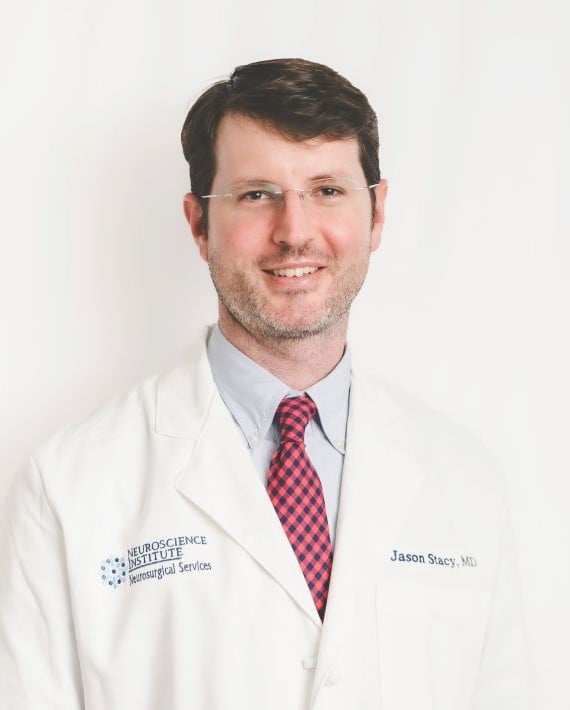
Jason Stacy, MD
Dr. Jason Stacy is a neurosurgeon with North Mississippi Neurosurgical Services in Tupelo. He earned his medical degree from George Washington University School of Medicine in Washington, D.C., in 2009. He completed a neurosurgery residency and endovascular neurosurgery fellowship (2014) at the University of Mississippi Medical Center in Jackson, where he served as chief resident. Dr. Stacy is a Fellow of the American Association of Neurological Surgeons and the American College of Surgeons.

MyChart (also known as myConnection)
Schedule your next appointment, start an E-visit, communicate with your doctor, request prescription refills and access your test results — just a click away.
Related Links
Topics
- Managing Your Health