Aug 26 2026
Finding Balance through the Prostate Cancer Journey
Summary
Dr. Derek Moeller shares how prostate cancer screening, active surveillance and radiation treatment helped him balance cancer care with quality of life.
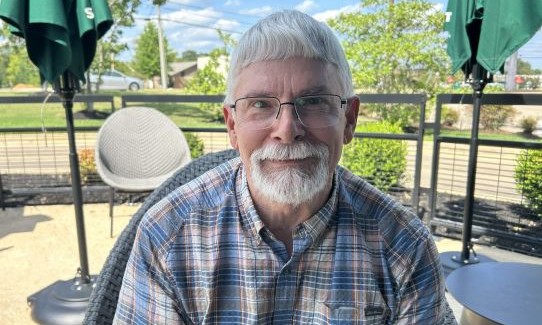
Prostate cancer doesn’t scare Dr. Derek Moeller.
“I have a family history of prostate cancer. I expected it at some point,” said the Tupelo internal medicine physician, who was diagnosed in 2022 at age 65.
With guidance from his urologist and the North Mississippi Medical Center Radiation Oncology team, Dr. Moeller chose a thoughtful approach to care. His goal was to treat the cancer while protecting function.
Start with Screening
Making informed decisions instead of panicking starts with screening. The current guidelines recommend men have a conversation with their primary care provider about screening with a blood test that looks for prostate-specific antigen or PSA. A physical exam of the prostate is no longer recommended.
Dr. Moeller began screening for prostate cancer at 50. Some men with family history of prostate cancer at a young age or other risk factors may want to begin screening at 45.
Annual screening is the best opportunity to detect prostate cancer while it is still localized in the prostate gland. When prostate cancer is diagnosed early, men have more treatment options available and typically have better outcomes.
Both personally and professionally, Dr. Moeller encourages screening and a measured approach to treatment. Men diagnosed with prostate cancer have time to consider their options.
“For most people, it’s a slow growing cancer,” he said.
Surveillance & Treatment
Dr. Moeller and his urologist, Dr. Stephen Farmer, tracked his rising PSA scores for a couple of years. Because his wife, Penny, had been battling metastatic breast cancer, Dr. Moeller put his elevated PSA on the back burner until life insurance renewal required a definitive answer.
A biopsy confirmed the presence of localized prostate cancer.
Working with Dr. Farmer to identify a plan, Dr. Moeller knew he didn’t want surgery to completely remove the prostate. That would have eliminated the localized cancer but comes with possible urinary and sexual dysfunction.
Because Dr. Moeller also had an enlarged prostate (BPH) that was not related to his cancer, he and Dr. Farmer, chose a procedure called TURP. The procedure removes extra prostate tissue to ease urinary symptoms. They hoped it might also remove some of the cancer.
The surgery succeeded in treating the urinary symptoms associated with enlarged prostate but didn’t successfully remove any of the cancer.
After surgery, Dr. Moeller opted to continue active surveillance.
“I knew we would need to do something else down the road,” Moeller said.
When his PSA scores increased again, it was time to take the next step. Radiation oncologist Dr. Russell Roberts helped Dr. Moeller find the right treatment option.
“He is very compassionate and patient,” Dr. Moeller said. “He explains everything, and he’s very encouraging.”
Dr. Moeller went through 37 days of external beam treatment at NMMC Radiation Oncology in Tupelo. The actual treatments only lasted about five minutes each day. Dr. Moeller had no skin issues but did experience some GI and urinary side effects, along with fatigue.
“The side effects are uncomfortable, but they pass,” Dr. Moeller said.
Better Physician
Dr. Moeller’s experience with prostate cancer has helped him better understand the concerns of his patients at the VA clinic in Tupelo who are facing the same diagnosis.
“It really helps me when I talk with veterans who have just been diagnosed,” Dr. Moeller said.
He encourages patients to ask questions, learn about their options and work with their care team to choose the treatment that best fits their needs.
“Newer treatments are coming out all the time,” Dr. Moeller said. “A prostate cancer diagnosis is not something you have to face with fear.”

MyChart (also known as myConnection)
Schedule your next appointment, start an E-visit, communicate with your doctor, request prescription refills and access your test results — just a click away.
Related Links
Topics
- Patient Stories
Share
NMMC Cancer Care connects our patients with a multidisciplinary team to help navigate through diagnosis, treatment and follow-up care.


Subscribe to Our Newsletter
Like this content and want to get more? Sign up for True North, the health and wellness newsletter from North Mississippi Health Services!
Subscribe to Our Newsletter
Like this content and want to get more? Sign up for True North, the health and wellness newsletter from North Mississippi Health Services!

Nurse Link®
Not sure if you need Urgent Care or the ER? Call 1-800-882-6274 anytime to speak directly to a registered nurse and get immediate answers. Using computerized medical protocols, nurses direct callers to the most appropriate treatment. Our nurses are available 24 hours per day, seven days per week.