
Summary
Adult vaccines help strengthen immune protection over time, reduce the risk of serious illness from preventable diseases like flu, pneumonia, tetanus and shingles.
Despite some of the negative attention vaccinations have received, they remain one of the greatest public health achievements in history.
Think about studying for an exam. Most people do not try to memorize an entire textbook the night before; they study one topic at a time so their brain recognizes the material when it matters.
Vaccines work in a similar way. They expose your immune system to a harmless piece or weakened form of a virus or bacterium, allowing your body to build immune memory. Then, if you are exposed to the real infection, your immune system can respond much more quickly and effectively so it can ace the test.
Why Adult Vaccines?
When most people think about vaccines, they picture childhood checkups, school requirements or a newborn’s first doctor’s visit. But vaccines are not just for children. We have all heard the saying, “I can’t do things like I used to when I was younger,” and the reality is your immune system is the same way.
Some childhood vaccines, such as tetanus, require a booster to ensure your immune system is up to speed. Other vaccines specific to adults, such as the shingles and pneumonia vaccines, become more important as we age to help prevent diseases that are more common or severe in older adults.
Who Needs Vaccines?
Vaccines are not one-size-fits-all. While many vaccines are recommended based on age, your medical history also plays an important role. Conditions such as diabetes, asthma, COPD, heart disease, kidney disease, liver disease, cancer or a weakened immune system can increase your risk of serious illness. That is why your primary care physician works with you to create a vaccination plan tailored to your individual health needs and designed to help you stay as healthy as possible.
Here are a few I recommend:
Influenza Vaccine
This is your yearly flu vaccine. The flu virus has been around for so long that it is often underestimated, but it can still cause serious illness, hospitalization and death, most commonly among people 65 and older. The goal of this vaccine is to limit the effect the flu would have on you if you contracted it and protect vulnerable people around you, such as infants and older adults.
Tetanus, Diphtheria and Pertussis Vaccine (Tdap)
Many people do not realize that tetanus boosters are recommended every 10 years. Tetanus and diphtheria are two bacteria that have a weakening immune response over time, which is why boosters are needed. Although you can get just those two parts in a booster, I recommend Tdap, which includes pertussis, or whooping cough, for older adults who may be around infants. Tdap is also given during pregnancy.
Pneumococcal Vaccine (Pneumonia Vaccine)
Known most commonly as the pneumonia vaccine, it is recommended for individuals 50 and older. The vaccine protects against several strains of Streptococcus pneumoniae, one of the most common causes of bacterial pneumonia. Although pneumonia is what this bacterium is known for, it is not limited to that and can cause infection in your blood, spinal fluid or other areas of your body, leading to sepsis. Receiving the vaccine has been shown to significantly reduce that burden of infection.
Shingrix® (Shingles Vaccine)
Anyone who has had chickenpox likely carries the virus that causes shingles. As we age, the virus can reactivate and cause a painful rash, which is why this vaccine is important. The vaccine boosts your immune system’s ability to recognize and fight the virus before it can reactivate. The shingles vaccine is recommended for individuals 50 and older.
Final Thoughts
As a family medicine physician, I believe one of the greatest gifts we can give ourselves and our loved ones is prevention. Preventing illness is often much easier and safer than treating it after it occurs. Staying up to date on vaccinations and screenings can help you do that.
If you have questions or concerns about any vaccine, do not hesitate to talk with your primary care physician. I recommend discussing your individual risks, benefits and recommendations so you can make an informed decision.
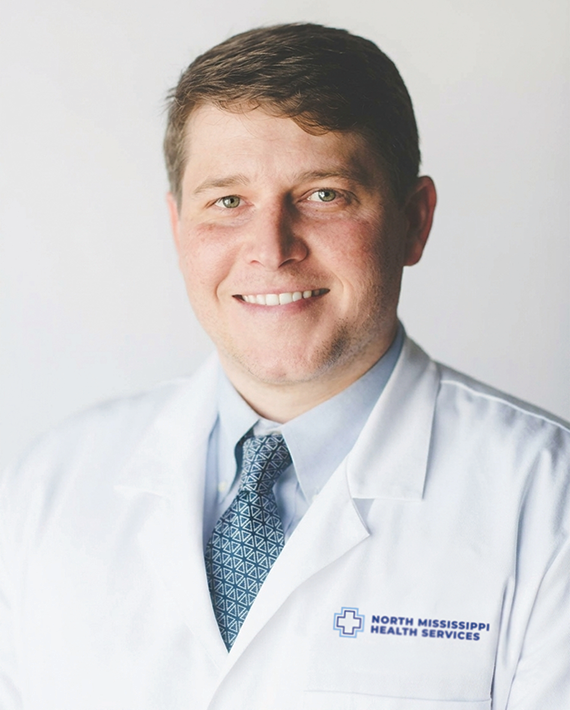
J. Riley Alef, MD
A New Albany native, Dr. Alef earned an associate degree from Northeast Mississippi Community College and a bachelor's degree from the University of Mississippi before completing medical school at the University of Mississippi School of Medicine. He recently completed the North Mississippi Medical Center Family Medicine Residency Program in Tupelo.

MyChart (also known as myConnection)
Schedule your next appointment, start an E-visit, communicate with your doctor, request prescription refills and access your test results — just a click away.
Related Links
Topics
- Managing Your Health
Share
Call 1-800-THE DESK (1-800-843-3375) or use our search to find a provider near you.


Subscribe to Our Newsletter
Like this content and want to get more? Sign up for True North, the health and wellness newsletter from North Mississippi Health Services!
Subscribe to Our Newsletter
Like this content and want to get more? Sign up for True North, the health and wellness newsletter from North Mississippi Health Services!

Nurse Link®
Not sure if you need Urgent Care or the ER? Call 1-800-882-6274 anytime to speak directly to a registered nurse and get immediate answers. Using computerized medical protocols, nurses direct callers to the most appropriate treatment. Our nurses are available 24 hours per day, seven days per week.