
Jul 24 2026
Talking About Fentanyl One Conversation Could Save a Life
Summary
A pill that looks real can still be deadly. As counterfeit medications and illicit fentanyl become more common, one honest conversation may help prevent a tragedy.
Imagine receiving a phone call that changes your family forever.
A son who thought he was taking a Xanax® to help with anxiety.
A daughter who believed she had purchased a Percocet® after a sports injury.
A college student who takes a friend’s Adderall® to help him study for finals.
Unfortunately, stories like these are becoming increasingly common across Mississippi and throughout the United States.
Today’s illegal drug supply is dramatically different than it was just a few years ago. One pill—one mistake—can be enough to cause a fatal overdose.
The good news is that one honest conversation may save a life.
The Drug Supply Has Changed
For many years, most prescription opioid overdoses involved medications produced by pharmaceutical companies.
Today, many of the most dangerous pills are not prescriptions at all.
International drug trafficking organizations manufacture counterfeit pills using industrial pill presses. These tablets are intentionally designed to look nearly identical to legitimate medications such as oxycodone, Percocet, hydrocodone, Xanax, Adderall or other commonly prescribed medicines.
They can be nearly impossible to distinguish from the real thing.
The difference is what is hidden inside.
Instead of containing a regulated medication produced under pharmaceutical quality standards, these counterfeit pills may contain illegally manufactured fentanyl or one of many fentanyl analogs—synthetic opioids that can be extraordinarily potent.
Because these pills are produced illegally without quality control, the amount of drug in each tablet varies widely. Two pills that look identical may contain dramatically different amounts of fentanyl.
That unpredictability is what makes them so dangerous.
What Is Fentanyl?
Pharmaceutical fentanyl is an FDA-approved medication used safely every day by anesthesiologists, surgeons and pain specialists when administered under careful medical supervision.
Illicit fentanyl is very different.
Illegal fentanyl is manufactured outside regulated pharmaceutical systems and enters the drug supply through trafficking networks. It is often mixed into counterfeit pills or combined with heroin, methamphetamine, cocaine or other street drugs without the user’s knowledge.
Many people who overdose never intended to take fentanyl. They believed they were taking something else.
Not All Fentanyl Analogs Are the Same
Fentanyl is not just one drug. It is part of a family of synthetic opioids, and illegal labs often change these chemicals to create new versions.
That means the strength, effects and duration can vary—making the drug supply even more unpredictable for users, first responders, emergency physicians and toxicology laboratories alike.
A New, More Dangerous Drug Supply
Across the country, including our communities in Mississippi and Alabama, the illicit drug supply has become increasingly complex.
Investigators and forensic laboratories have identified counterfeit drugs that may contain combinations of fentanyl with other highly potent substances.
These may include:
- Xylazine, a veterinary sedative that is not an opioid. It causes profound sedation and low blood pressure and has been associated with severe skin wounds in people who repeatedly inject drugs
- Medetomidine, another powerful veterinary sedative that has recently emerged in parts of the illicit drug supply and may produce prolonged unconsciousness and severe respiratory depression.
- Nitazenes, an emerging class of synthetic opioids that can be even more potent than fentanyl. Because they are not opioids traditionally encountered in medical practice, they present additional challenges for emergency response and toxicology testing.
When these substances are combined, their effects can add up—or even intensify one another—making the overall risk more dangerous.
Depending on what is in the drug, the result may include:
- Severe slowing or stopping of breathing
- Loss of consciousness
- Low blood pressure
- Cardiac arrest
- Brain injury from lack of oxygen
- Death
Naloxone Still Saves Lives
Naloxone (Narcan®) is a medication that rapidly reverses opioid overdoses. It has saved countless lives and should be used immediately whenever an opioid overdose is suspected.
However, because today’s illicit drug supply often contains multiple substances, naloxone may not completely reverse all of the effects of an overdose.
Someone who receives naloxone still requires immediate emergency medical care.
If you suspect an overdose:
- Call 911 immediately.
- Give naloxone if available.
- Begin rescue breathing or CPR if you are trained to do so.
- Stay with the person until emergency responders arrive.
Every minute matters.
The Conversation That Matters Most
Parents often ask, “What should I tell my children?”
The answer is simple: Tell them the drug supply has changed.
Many teenagers and young adults believe prescription pills obtained from a friend, social media or the internet are safe because they “look real.” Unfortunately, appearance no longer guarantees safety.
Teach your children—and remind adults of every age—that the only medications that should ever be taken are those prescribed specifically for them and obtained from a licensed pharmacy.
Never assume a pill is genuine because of its color, shape or markings. Counterfeit pills are designed to fool even experienced users.
Addiction Is a Treatable Medical Disease
If you or someone you love is struggling with opioids or other substances, know that help is available. Addiction is not a moral failure or a lack of willpower.
It is a chronic medical disease that affects brain function, decision-making and behavior. Like diabetes, heart disease or asthma, it can be effectively treated with evidence-based medical care.
Modern treatment may include medications, counseling, behavioral therapies, peer support and long-term recovery services. Recovery is possible.
One Conversation Could Save a Life
Most overdose deaths occur unexpectedly. Many involve people who never considered themselves addicted.
The best prevention begins long before an emergency. Talk with your children, grandchildren and friends. Share what you have learned.
One honest conversation about fentanyl may save the life of someone you love.
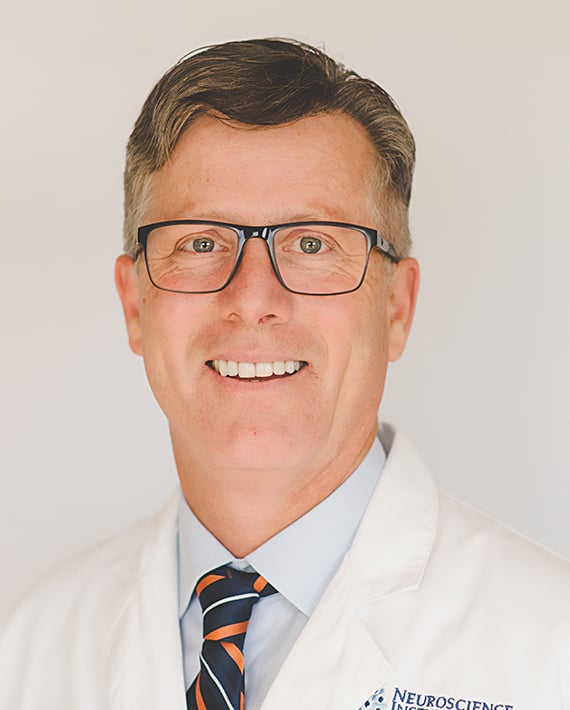
Brent Boyett, DMD, DO, DFASAM

MyChart (also known as myConnection)
Schedule your next appointment, start an E-visit, communicate with your doctor, request prescription refills and access your test results — just a click away.
Related Links
Topics
- Healthy Lifestyles
Share
Struggling with addiction can feel overwhelming, but help is closer than you think. Our team offers evidence-based care focused on dignity, understanding and long-term wellness.

Subscribe to Our Newsletter
Like this content and want to get more? Sign up for True North, the health and wellness newsletter from North Mississippi Health Services!
Subscribe to Our Newsletter
Like this content and want to get more? Sign up for True North, the health and wellness newsletter from North Mississippi Health Services!
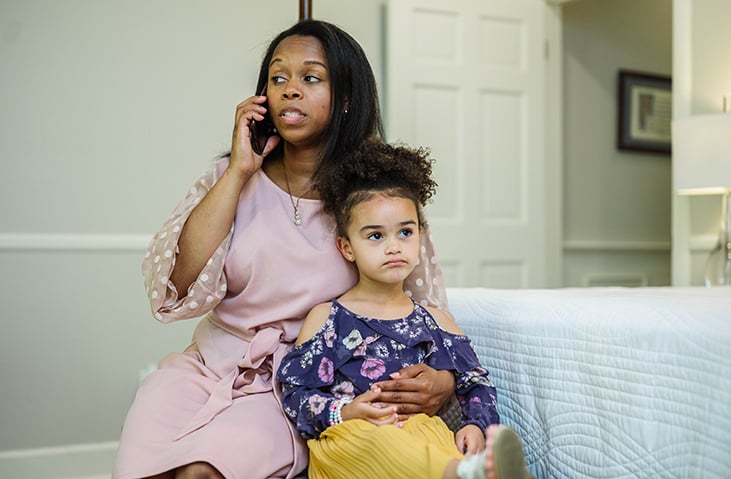
Nurse Link®
Not sure if you need Urgent Care or the ER? Call 1-800-882-6274 anytime to speak directly to a registered nurse and get immediate answers. Using computerized medical protocols, nurses direct callers to the most appropriate treatment. Our nurses are available 24 hours per day, seven days per week.